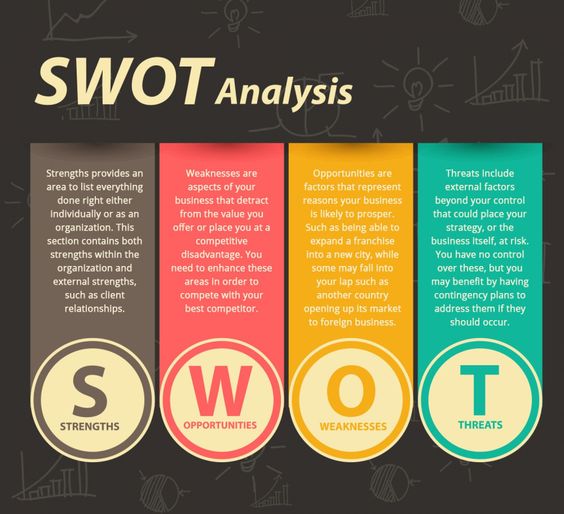

SWOT analysis is a popular and effective tool in business management used for identifying strengths, weaknesses, opportunities, and threats. It is a strategic framework that can help businesses make informed decisions, set goals, boost profitability, and stay competitive.
In this article, we’ll take you through the essential steps to write a compelling SWOT analysis. By the end of this guide, you’ll have a comprehensive understanding of SWOT analysis and be able to implement it effectively in your business strategy.
Understanding the Basics of SWOT Analysis
Before you dive into writing your SWOT analysis, it is essential to understand the basics of this strategic tool. SWOT stands for Strengths, Weaknesses, Opportunities, and Threats. In simple terms, strengths and weaknesses refer to the internal factors of a business, while opportunities and threats refer to the external factors.
Conducting Research
To write an effective SWOT analysis, you need to conduct thorough research. This includes analyzing market trends, your competitors, your target audience, and your overall industry. Collecting relevant data will give you insights into the strengths, weaknesses, opportunities, and threats that you need to consider.
Identifying Your Strengths
To identify your strengths, look for internal factors that give you a competitive edge. This includes unique selling points (USPs), a strong brand reputation, a talented team, and a robust financial position.
Acknowledging Your Weaknesses
Every business has its weaknesses, and acknowledging them is crucial to developing a successful business strategy. Weaknesses could include a lack of expertise in a particular area, limited resources, or a weak brand reputation.
Exploring Opportunities
Opportunities refer to external factors that could positively impact your business. This could include changes in technology, new market segments, or regulatory changes that favor your industry.
xa0Recognizing Threats
Threats refer to external factors that could have a negative impact on your business. This could include new competitors entering the market, economic downturns, or changes in consumer behavior.
Putting It All Together
Once you have gathered all the necessary information, it’s time to put everything together. Create a table with four columns for each SWOT factor and list all the relevant information under each one. This will help you visualize and prioritize the information you have gathered.
Developing an Action Plan
Finally, use the insights gained from your SWOT analysis to develop an action plan. This should include setting goals, creating a timeline, allocating resources, and addressing any weaknesses or threats that could impede your progress.
You might find these FREE courses useful:
- Supply Market Analysis
- International Business Environment
- Using Advanced SWOT Analysis
- Free SWOT Analysis Tutorial
- Foundations of Business Strategy

