
What is Operational Risk Management?
Operational risk management (ORM) is the process of managing risks that are associated with the day-to-day operations of an organization. It is a proactive approach to managing risks that can arise from operations, processes, and activities. ORM is a key component of an organization’s overall risk management strategy and is essential to the success of any organization.
The Benefits of Operational Risk Management
ORM helps organizations identify, assess, and manage risks associated with their operations. By proactively managing operational risks, organizations can reduce the likelihood of losses and improve their overall performance. ORM also helps organizations develop more efficient processes and systems, which can lead to cost savings.
Risk Identification
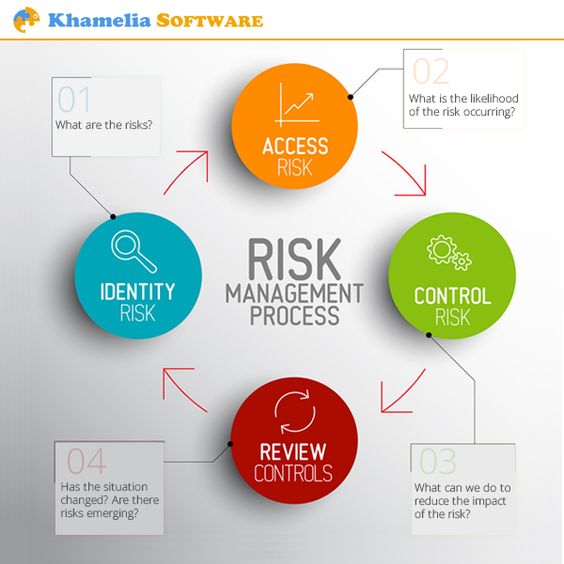
The first step in ORM is to identify potential risks. This can be done by conducting a risk assessment, which involves analyzing the organization’s operations and processes to identify any potential risks. Once potential risks have been identified, they can be further analyzed and assessed to determine their likelihood and potential impacts.
Risk Assessment
Risk assessment is the process of analyzing the identified risks to determine their likelihood and potential impacts. This involves analyzing the organization’s operations and processes to identify any potential risks, and then assessing them to determine their likelihood and potential impacts.
Risk Mitigation
Once risks have been identified and assessed, the next step is to develop strategies to mitigate them. This involves developing strategies to reduce the likelihood of the risks occurring, or to reduce their potential impacts if they do occur. This can include implementing new processes and procedures, or introducing new technology or systems.
Risk Monitoring
Risk monitoring is the process of regularly monitoring the organization’s operations and processes to ensure that risks are being managed effectively. This involves monitoring the organization’s operations and processes to identify any potential risks, and then taking appropriate action to mitigate them.
Risk Reporting
Risk reporting is the process of documenting and reporting on the organization’s risk management efforts. This includes documenting the organization’s risk assessment and mitigation efforts, as well as reporting on any incidents or losses that have occurred.
You might find these FREE courses useful
- Program Risk Management in ClickUp
- Risk Management in Personal Finance
- Investment Risk Management
- Market Risk Management: Frameworks & Strategies
- Credit Risk Management: Frameworks and Strategies
- FinTech Risk Management
- Implementing a Risk Management Framework
- Risk Management Specialization
Risk Management Software
Risk management software is a tool used to help organizations manage their operational risks. This software can be used to identify, assess, and mitigate risks, as well as monitor and report on them. It can also be used to develop strategies to reduce the likelihood of risks occurring, or to reduce their potential impacts if they do occur.

 is the process of managing risks that are associated with the day-to-day operations of an organi...)